
When Victims of Climate Change Don’t Know Its Name
How have I managed to report on climate change in India when many of my primary sources are not even familiar with the terms global warming or climate change?
Dear Reader,
Welcome to the first issue of The Roots, where we go behind the scenes to discuss one of the week’s top stories. In case you missed Alex’s message yesterday, we are looking for beta testers for our revamped website and newsletters; reply to this newsletter to get an access code and be the first to offer feedback!
The Yale Program on Climate Change Communication has published a new Climate Note titled Mental Images of Global Warming in the Indian Mind. The researchers asked 2,164 respondents across India an open-ended question: “When I say global warming, what is the first word or phrase that comes to your mind?”
The survey, conducted in 12 Indian languages, including English, found that 58% of respondents said they did not know or could not say anything specific about global warming.
Rural residents were more likely to respond “Don’t know” (65%) than urban residents (48%). Among those with below-primary education, 85% said they did not know, compared with only 25% of respondents with a postgraduate degree or above.
As a climate journalist reporting through the experiences of farmers and informal workers, I could immediately relate to these findings. I thought of a story I reported last year about how extreme heat was taking a toll on factory workers in Dindigul, one of India’s major spinning-mill hubs. While interviewing workers, I never asked them whether they had experienced climate change-induced heat. Instead, I asked: “Do you feel more uncomfortable wearing those nylon uniforms now than you did two years ago?” Or “How many water breaks did you take two years ago compared with now?”
These were questions they could easily relate to because those water breaks were moments when workers spoke to one another and looked forward to catching a brief respite from the furnace-like conditions inside the mills.
They were living through climate change without knowing the term itself.
Here’s another example. These days, I often prefer commuting by auto-rickshaw because it’s more open than a car, and the breeze often helps my toddler fall asleep. When he isn’t asleep, he enjoys watching the different colours of vehicles go by, trying to spot the JCB excavators and tractors he absolutely loves.
On one such ride, I asked the driver whether he felt that summer nights had become hotter in the city.
He immediately said yes.
“Until a couple of years ago, I would avoid driving during the day, start around 4:30 p.m., and continue until midnight. The evenings remain unbearably hot now. I wait until after 7.30 p.m. to begin work and drive only until midnight,” the auto driver said, adding that it cuts into his income.
But when I asked whether he knew that rising night-time temperatures were linked to the urban heat island effect, compounded by human-induced climate change, he had no idea.
There are many such examples. Farmers have become climate-resilient by changing sowing and harvesting schedules and crop choices in line with the erratic monsoon. But they do not know what the words “climate change” mean.
That, to me, is the irony.
Perhaps the answer lies in visual journalism. A 2005 study found that “Meaningful visualisations depicting climate change futures could help to bridge the gap between what may seem an abstract concept and everyday experience, making clearer its local and individual relevance.”
Warmly,
Laasya Shekhar
Managing Editor
🔥 HOT OFF THE PRESSES
This Doctor Is Battling Health Misinformation One Wikipedia Edit at a Time
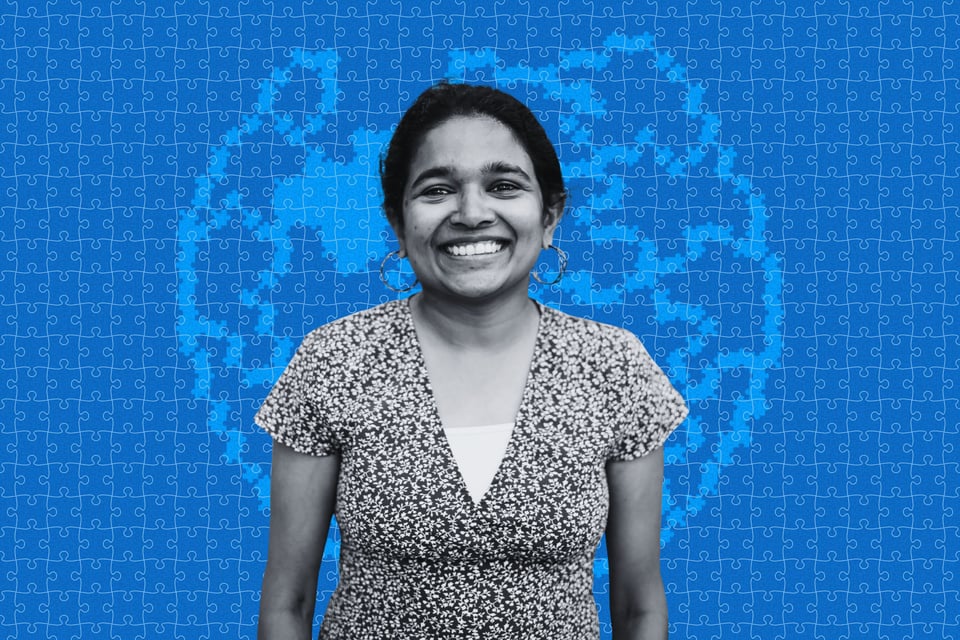
Dr. Netha Hussain wears many hats: born in India and currently based in Sweden, she is a medical doctor, researcher, and award-winning Wikimedian.
I sat down with Dr. Hussain for an exclusive interview, where she discussed the cultural nuances of misinformation as she straddles the English-speaking and non-English-speaking worlds; how power, privilege, AI, and media consolidation fuel the spread of propaganda; and the next frontier of healing public health divides. Read more here.
Federal Funding Cuts Leave Mississippi’s Vietnamese Health Navigators in Limbo
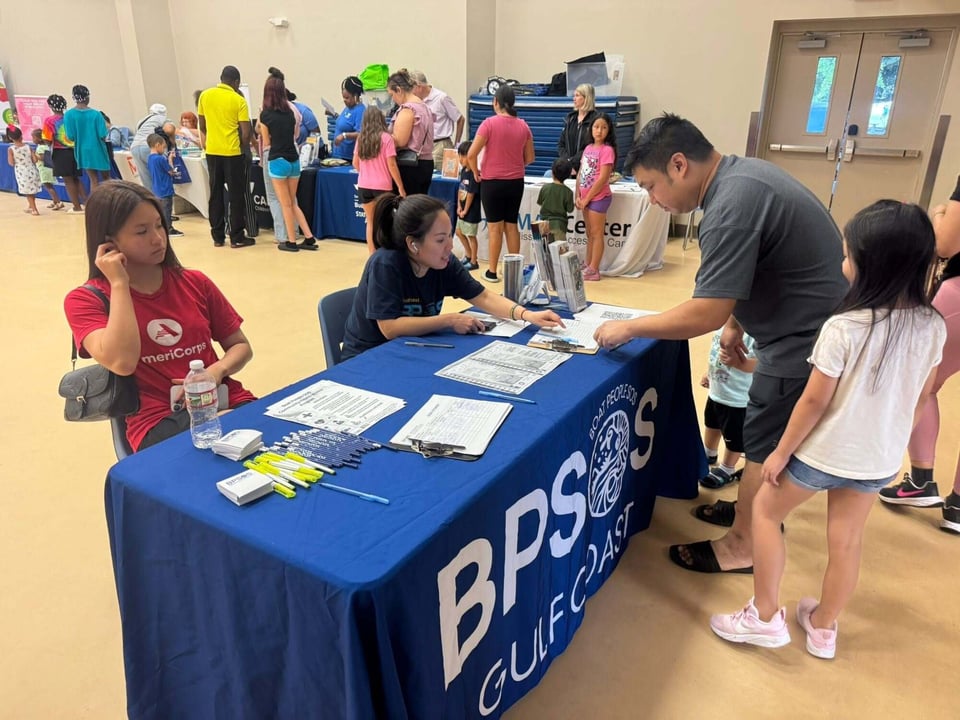
A year after losing federal funding, Mississippi's only statewide advocacy group for Asian American and Pacific Islander communities is still navigating an uncertain future.
This story was originally published by Mississippi Today, with support from the AAJA VOICES program.


Add a comment: