
Reporting on Kashmir’s Disappearing Water Bodies
Losing a lake or wetland is not simply losing a piece of nature. It can affect livelihoods, water quality, health, and flood protection.
Dear Reader,
Water has always been central to Kashmir. Its rivers, lakes, wetlands, and springs have shaped the valley’s landscape, culture, and livelihoods. They are part of what has earned Kashmir its image as a “paradise on Earth.”
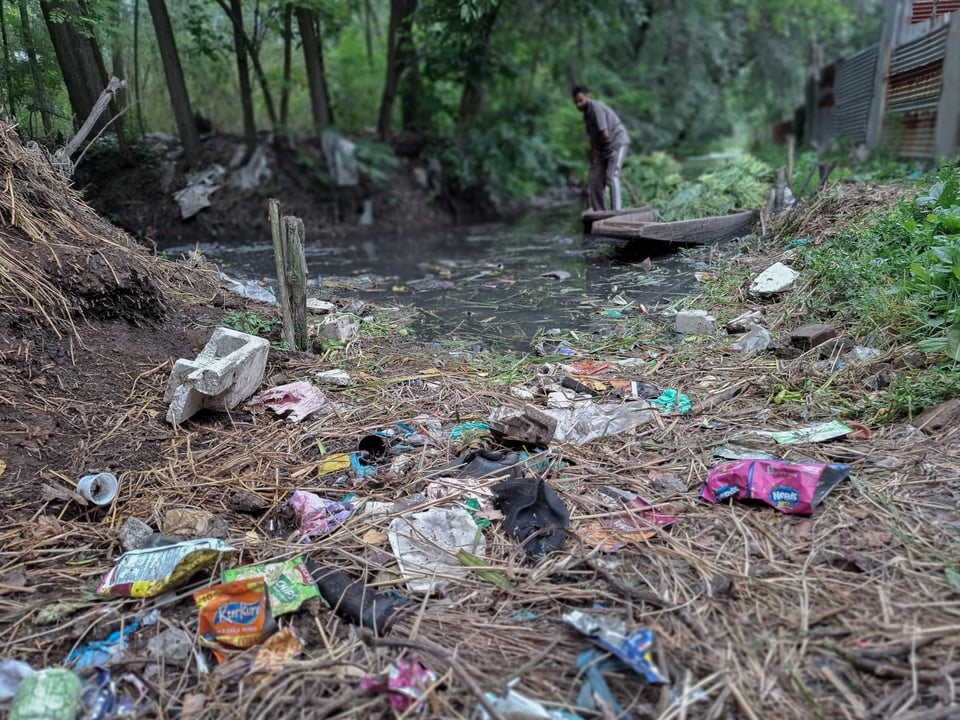
When we came across a report by the Comptroller and Auditor General of India (CAG) stating that 584 water bodies had disappeared across Jammu and Kashmir, it immediately drew our attention. The disappearance or shrinking of these water bodies can affect ecosystems, water quality, livelihoods, and public health, so we felt it deserved closer coverage.
The reporting was not always straightforward. Reaching communities was relatively easy because local contacts helped connect us with residents, but finding historical records and reliable data required more work. Assistant Professor at the University of Kashmir, Dr. Mehraj Ud Din Dar, helped us navigate the historical research by sharing papers, records, and other documents that allowed us to understand how these water bodies had changed over time.
Accessing official information was another challenge. We visited the Jammu & Kashmir Lake Conservation and Management Authority (LCMA) four times while seeking data on the condition and management of Kashmir’s lakes. We eventually received the information nearly two weeks later, but some of the figures did not match the historical and research data we had collected. This meant going back to the material, cross-checking the figures and carefully putting the information into context.
Health data was similarly difficult to obtain. We visited Sher-i-Kashmir Institute of Medical Sciences (SKIMS) five times and wrote to the director and the head of the Community Medicine Department before eventually receiving the information we needed.
There were unexpected moments in the field, too. During our first visit to Anchar Lake, we hired a shikara to reach the middle of the lake for reporting and photographs. After a roughly 30-minute ride, the boatman quoted us Rs 4,000 ($41.8, or roughly the weekly salary of an average Jammu and Kashmir resident), which genuinely caught us off guard.
Despite these challenges, reporting this story for an international audience was a rewarding experience.
The biggest lesson came from the communities living around these water bodies. Losing a lake or wetland is not simply losing a piece of nature. It can affect livelihoods, water quality, health, and flood protection. The reporting made us realise that protecting Kashmir’s water bodies is ultimately about protecting the people who depend on them.
Best regards,
Umer Farooq Zargar & Ilhak Tantray
🐄 ICYMI: Why a Kashmiri Cattle Rearer Still Depends on a Lake That Made Her Sick
As pollution, sewage, and unchecked development shrink Kashmir's lakes, families who rely on them for their livelihoods have few alternatives — even when the water is toxic.
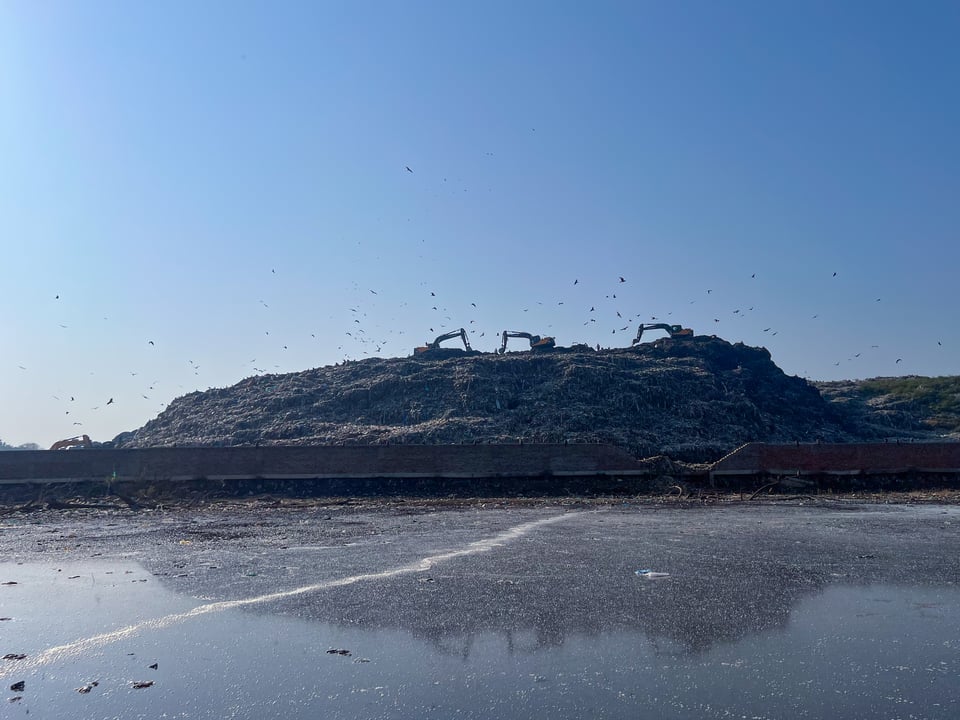
This story is produced by The Xylom and co-published by Scroll.in, India’s leading digital news organization. Read more here.
🌞 NEWS BEHIND THE NEWS
🥇🥈 Congrats to Friends of The Xylom, Elise Cutts and Sanket Jain, for sweeping the CASW’s 2026 Evert Clark/Seth Payne Award, which recognizes outstanding reporting and writing in any field of science by a writer aged 30 or younger!
🔔 Get text updates as soon as our next story drops by following our WhatsApp channel!
LOVE this newsletter? The best way you can support our independent reporting is to share it with a friend. Join our community now:


Add a comment: