
The Day When The Text Came
Our Managing Editor recounts how the newsroom responded to Alex's work permit limbo
Dear Reader,
When my publisher and editor, Alex Ip, texted me that the U.S. Citizenship and Immigration Services (USCIS) had declined to renew his work permit, it was a rude shock to our team because it meant Alex would stop working until the issue was resolved.
“I got this. Don’t worry,” was my initial response. But it had been just months since I had started as managing editor of The Xylom in September 2025.
Alex had been of immense help. He alerted me to a reporter who had double-dipped a story. He taught me the ins and outs of our publishing workflow. He introduced me to several resources from MIT's Knight Science Journalism Program that sharpened my understanding of fact-checking.
His absence meant that I had to take on many of his responsibilities, including writing the newsletter, shaping our social media strategy, fundraising, publishing articles, and handling a host of administrative tasks.
Under Alex’s leadership, The Xylom had just launched its monthly webinar series. One session, based on his investigation into how heavily America's leading research institutions depend on the specialized skills of H-1B workers, was a huge hit.
But with Alex stepping away, we were forced to put the webinar series on hold. Alex had also become the face of The Xylom, and his absence made it difficult to maintain our relationships with our major donors.
For a few weeks, I felt like a deer caught in the headlights. I quit going to the gym, and on many days, I would head straight to my laptop the moment I woke up.
I encountered freelancers who bristled at feedback and refused to rework their stories. Some submitted majestic pitches, but the final drafts fell far short of their promise. Others used AI to fabricate quotes and write stories. (We never allowed these stories that failed to meet our standards to go to publication, of course.)
At the same time, some reporters went to extraordinary lengths to get the information. Some worked late into the night, chased reluctant sources, and travelled long distances despite limited resources. Others accepted pay cuts to help us weather a funding crisis.
I would have learned the tricks of the trade gradually if Alex had been there. Instead, I was thrown into the deep end. The learning curve was steep, but I learned faster than I otherwise would have. But through this ordeal, our newsroom — me, KC, Aorui (thank you for your service!), our Advisory Board, and our contributors — has become more resilient and determined.
Whenever I am overwhelmed, I think about Alex, who is navigating far murkier and more uncertain waters than I am, and I tell myself: we got this!
Warmly,
Laasya Shekhar
Managing Editor
🔥 HOT OFF THE PRESSES
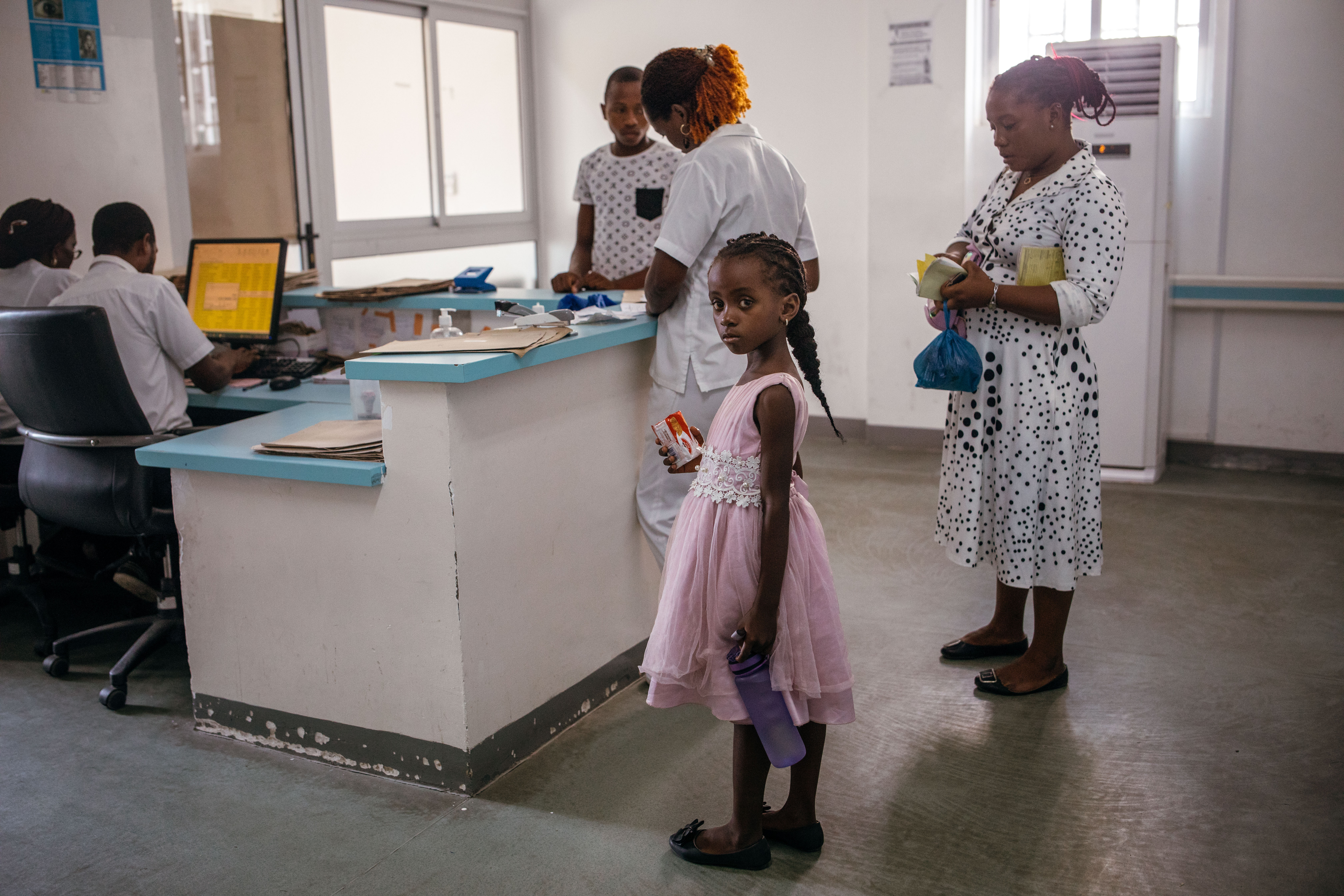
EXCLUSIVE: Climate-Induced Floods Wash Away USAID-Abandoned Mozambique’s Efforts to Eliminate Trachoma
Before Trump dismantled USAID, Mozambique had been battling hard-to-eliminate trachoma, an eye disease that causes blindness, especially among children. Now, a lack of stable funding and clean water — critical for preventing transmission, but hard to find among the wreckage caused by climate-induced cyclones and flooding — threatens to reverse the country’s modest progress.
This story is produced by The Xylom and co-published by Mekong Independent. Read more here.
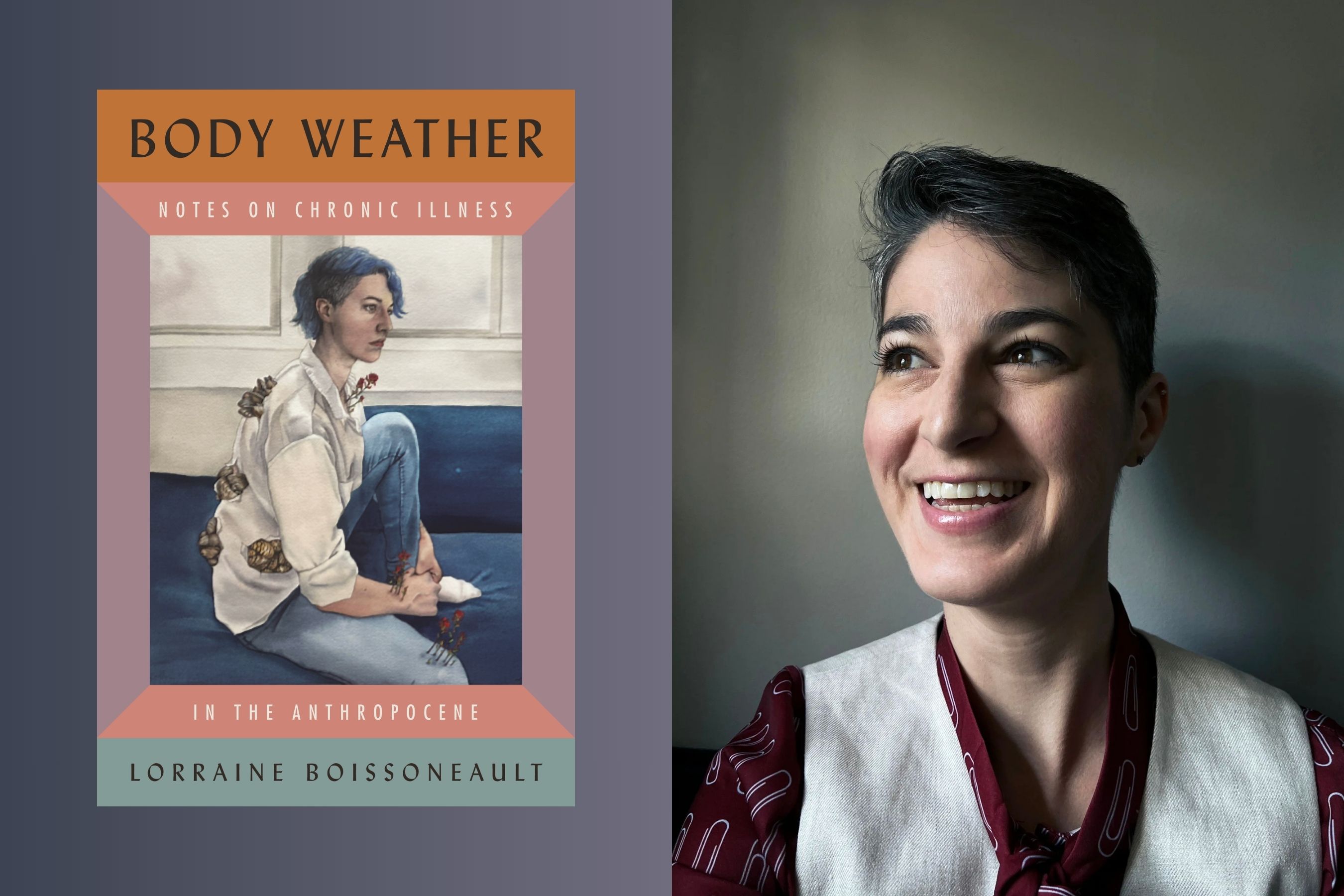
Death Valley Is A Place About Life
At Devils Hole in Death Valley National Park, extreme heat, chronic illness, and conservation crises collide, writes Lorraine Boissoneault. Read an exclusive excerpt from her critically acclaimed new book, Body Weather: Notes on Chronic Illness in the Anthropocene here and get her book here.
Like this newsletter? Share it with a friend and subscribe below!
Subscribe now✨ NEWS BEHIND THE NEWS
🐖 We are excited to announce that by raising $17,437 from 315 donors, we finished third among #GiveInMay participating organizations in unique donors, unlocking $1,500 in prize money from a coalition of funders!
🎓 Congratulations to the following contributors who completed their degrees: Manasvi Verma, who got her Ph.D. in Biological and Biomedical Sciences from Harvard, and Samuel Ajala, who received his Master of Arts in Communications from the University of Arkansas!
📢 ICYMI: Are your aunties and uncles on WhatsApp? Share our WhatsApp channel so they can get our daily text updates.
🍑 A SOUTHERN FLAIR
ATLANTA — Massive Chattahoochee River fish kill under investigation by multiple agencies (Drew Kann and Henri Hollis, The Atlanta Journal-Constitution)
Jason Ulseth, the Riverkeeper’s executive director, estimated there are thousands of dead fish in the river and called it the worst fish kill he’s seen in his 20 years with the organization.
“We have not seen anything like this before,” Ulseth said Friday.
FAYETTEVILLE, Ark. — She Faced a Life-Threatening Miscarriage. Under Arkansas’ Abortion Ban, Even Calls to the Governor’s Office Didn’t Help. (Kavitha Surana, ProPublica)
“Our hands are tied behind our backs,” Dr. Erin Large later told Emily Waldorf, according to a journal Waldorf began keeping on her phone and shared with ProPublica. “Tell your friends to vote differently.”
Tampa, Fla. — The Places Where Americans Are Deciding Between AC and Food (Jeva Lange, Heatmap News)
“I don’t feel like [the rates have] ever been all that affordable, but they have steadily increased more and more and more,” Janelle Ghiorso, a PG&E customer in California who recently filed for bankruptcy due to the debt she incurred from her electricity bills, told me. She added: “When do I get relief? When I’m dead?”
🗺️ WHAT ELSE WE'RE READING
An HHS Official’s Stock Trading Is Raising Flags (Dave Levinthal, NOTUS)
“As soon as I get those notifications, I sell. I don’t even ask questions,” said HHS General Counsel Mike Stuart. “My whole career, I’ve never had even a whiff of an ethical issue. I’m extra careful that I am completely in compliance.”
Wildlife is watching us, too — and changing their behavior in response (Karen Guzman, Yale News)
“Animals are affected by both direct human presence and by human-caused changes to the physical environment, such as agriculture and urbanization,” said Walter Jetz, a professor of ecology and evolutionary biology in Yale’s Faculty of Arts and Sciences and director of the Yale Center for Biodiversity and Global Change. “This study is the first to directly assess at scale how both causes, separately and in combination, impact wildlife habitat usage.”
Trump gutted USAID. Hunger and violence followed.(Ayurella Horn-Muller, Grist)
“Who in their right mind would retract healthcare and food so abruptly, in so many places, when the direct result is people suffering and dying?” questions Zia Mehrabi, a food security and climate change researcher at the University of Colorado Boulder.
BAGUIO, Philippines — In Baguio, the air that draws crowds isn’t as clean as it seems (Aika Rey, Philippine Center for Investigative Journalism)
[…] estimates show that Baguio’s annual PM2.5 concentrations have not fallen below the WHO’s annual safe limit since 1998. Between that year and 2023, Baguio averaged 25.15 micrograms per cubic meter (μg/m3), or five times the WHO threshold of 5 μg/m³ annually, which is the final safety guideline.


Add a comment: